Craving mountain views without giving up Denver access? If you’re exploring Genesee, you’re likely weighing privacy, trails, and scenery against commute time and winter practicality. You want the mountain lifestyle, but you also need clear answers on HOAs, utilities, wildfire, and day-to-day convenience. This guide walks you through what life in Genesee looks like, how it compares to nearby towns, and the key checks to make before you buy. Let’s dive in.
Where Genesee sits
Genesee sits in the Front Range foothills of Jefferson County, west of the Denver metro area. You will find hilly, forested terrain with curving roads, steeper lots, and more elevation change than neighborhoods on the plains. Many buyers choose Genesee for its proximity to I-70, Denver, Golden, and nearby foothill towns.
The climate is cooler than Denver with more snowfall and bigger day-to-night temperature swings. Winter storms can affect travel, and snow removal varies by whether the road is county maintained or private. Plan for seasonal maintenance, and test your real commute at different times and in winter conditions.
Daily life and amenities
Genesee is primarily residential, so you will drive a short distance for groceries, restaurants, and services in areas like Golden, Morrison, or parts of the west Denver suburbs. Expect immediate access to trails and open space managed by regional agencies, plus quick access to destinations around Red Rocks and the foothills.
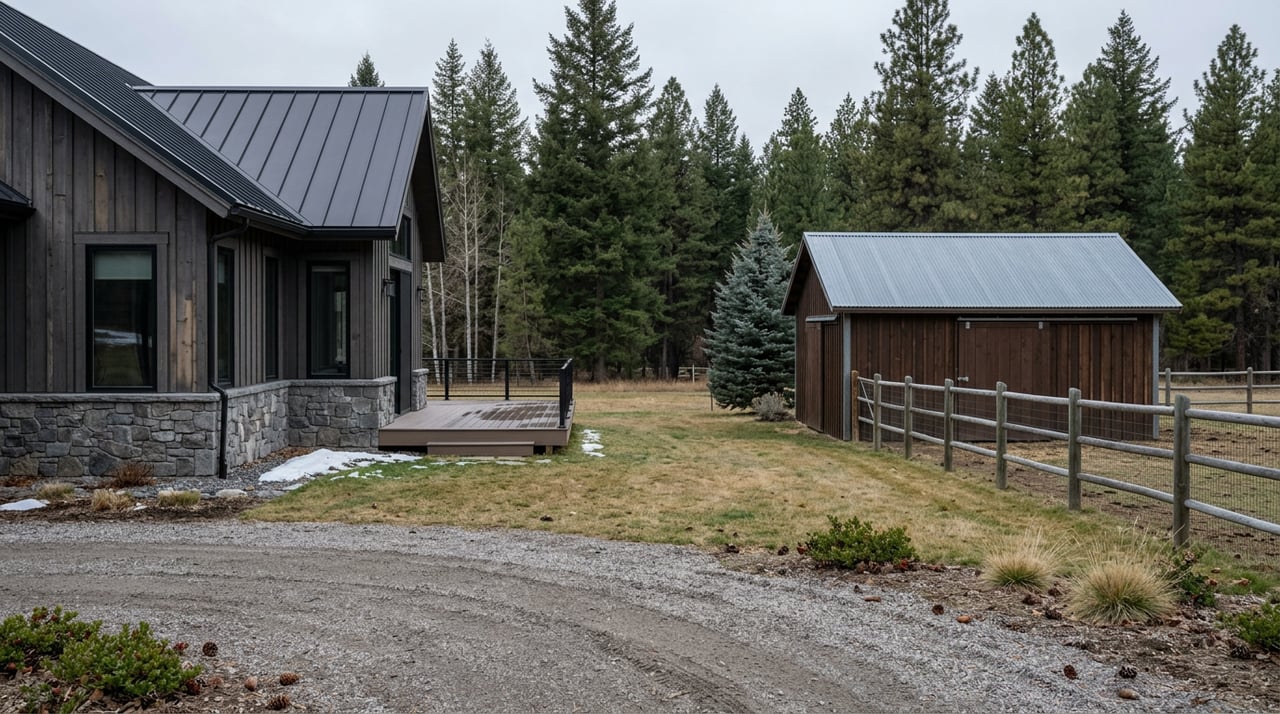
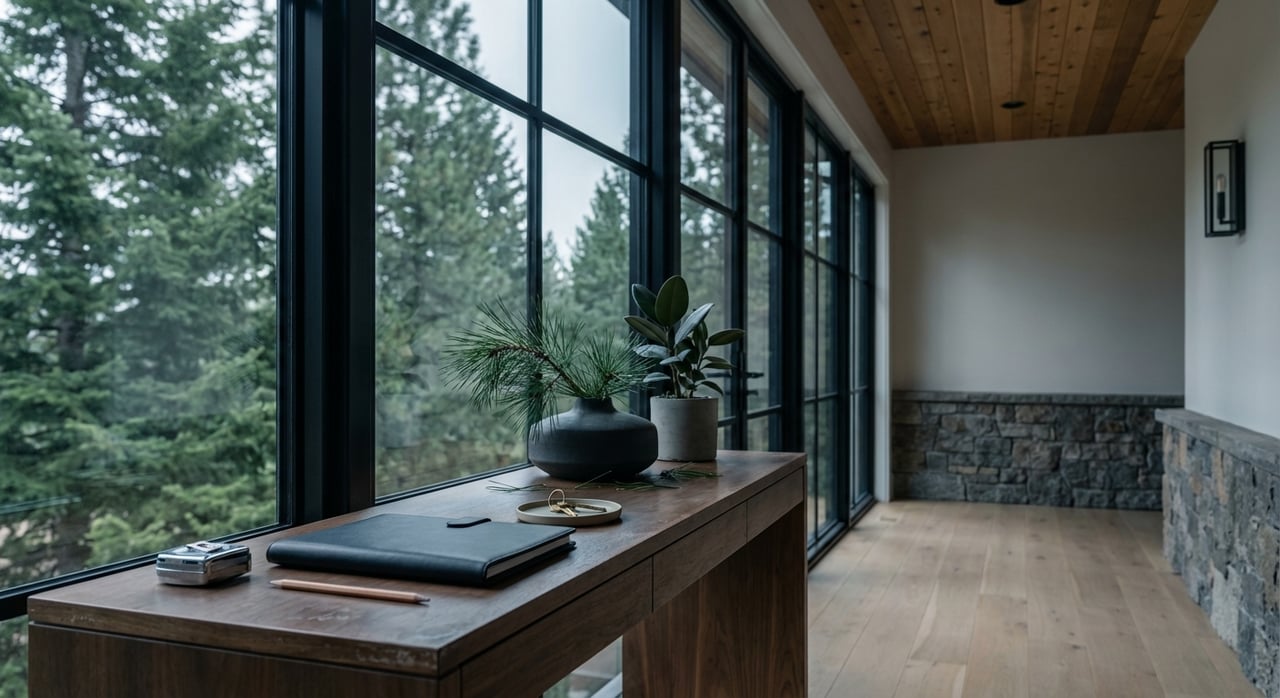
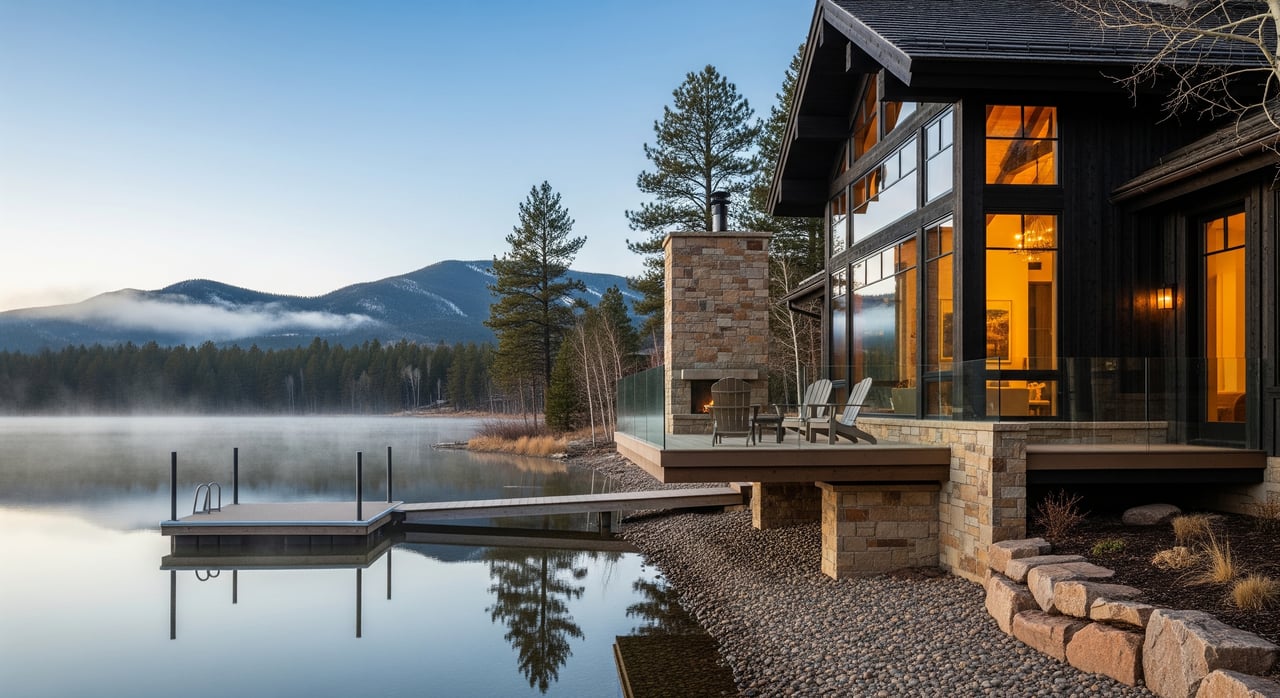
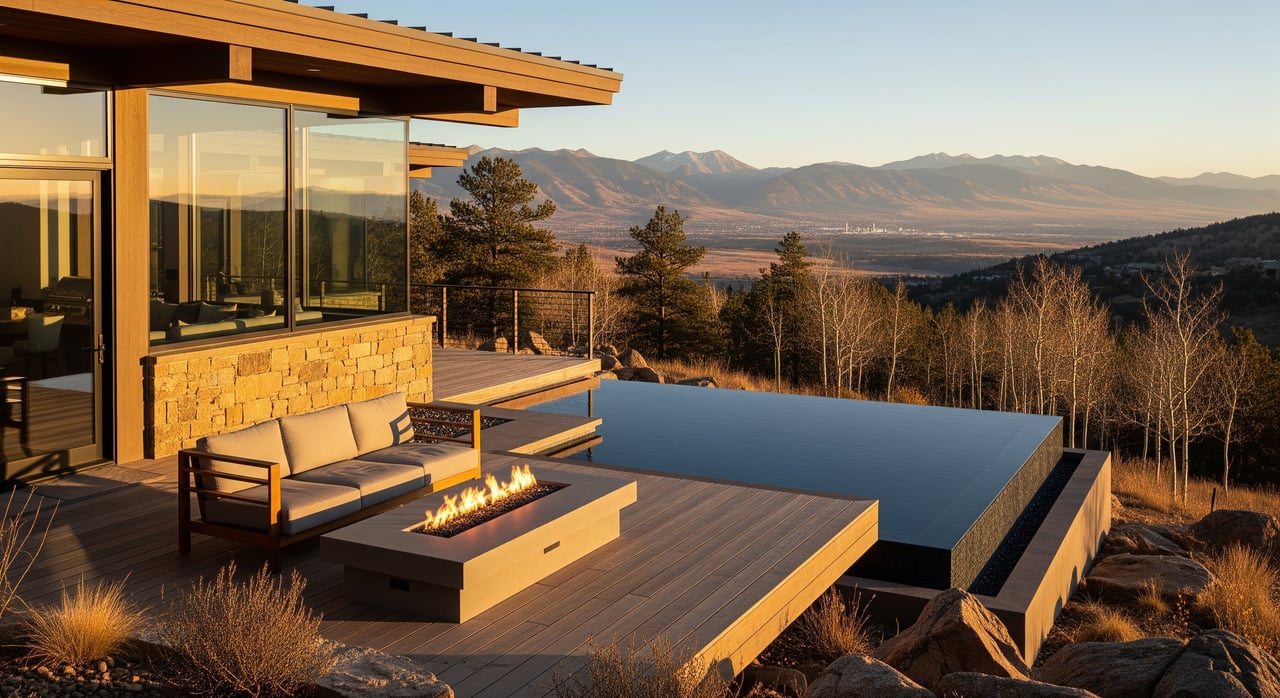
Homes range from rustic ranch styles to modern mountain contemporary and larger custom builds. Many properties feature natural materials and big-view windows. Some subdivisions have covenants and architectural standards, so confirm rules before planning any exterior changes.
The community feel is low density and semi-rural with a focus on privacy and outdoor living. Depending on location, you may hear highway noise, seasonal event activity in nearby areas, and the usual sounds of wildlife.
Ownership basics to verify
Buying in the foothills means more due diligence. Use the list below to structure your questions and offers.
HOAs and covenants
Some neighborhoods have active HOAs with dues that can cover private-road upkeep, snow removal, common-area landscaping, and covenant enforcement. Others have no HOA. Always review current CCRs, budgets, meeting minutes, and any special assessments.
- Ask for HOA contacts, CCRs, bylaws, and reserve studies.
- Confirm enforcement history and any current or pending projects.
Water, septic, and utilities
Water can be provided by a district, a shared well, or a private well. Many properties use septic systems. Energy sources may include electricity, natural gas where available, propane, or electric heat.
- Verify the water source, test results, and any usage limits.
- Order a septic inspection and request pumping and maintenance records.
- Confirm who provides electricity and gas and ask about outage history.
Internet and cell service
Connectivity varies by address. Options may include fixed wireless, satellite, fiber, cable, or DSL. Cell coverage can change from ridge to ridge.
- Check provider availability at the specific parcel.
- Test cell and data speeds during your tour.
Wildfire risk and insurance
Wildfire is a key consideration in Genesee and the foothills. Defensible space, vegetation management, and wildfire mitigation can affect safety and insurability.
- Review local wildfire hazard resources and past fire history.
- Get insurance quotes early to confirm coverage and pricing.
- Ask sellers about mitigation work and any community-wide programs.
Roads, access, and snow removal
Roads may be county maintained or private. Steep driveways can be challenging during snow and ice.
- Confirm who maintains the road and clears snow.
- Assess driveway grade, surface, and turning space for winter.
Permitting and future projects
Jefferson County permitting applies to additions, ADUs, garages, and major landscaping. Septic and well capacity can influence expansion plans.
- Verify setbacks, lot coverage, and septic or well constraints before planning improvements.
Taxes and resale
Property taxes vary by parcel. In the foothills, factors like topography, views, water and septic condition, access, proximity to major roads, and wildfire defensibility can influence value and future resale.
- Review parcel-specific tax assessments and recent comparable sales.
Genesee vs nearby foothill towns
Use consistent criteria as you compare: commute reliability, services, housing types and lot sizes, HOA prevalence, and wildfire exposure.
Golden
- Character: City services with more retail, restaurants, and civic amenities. More urban than Genesee.
- Commute and access: Often shorter commutes and broader transit options.
- Tradeoffs: Smaller lots in town areas and less seclusion, but better day-to-day convenience.
Evergreen
- Character: Larger mountain-town feel with a walkable core, shops, restaurants, and year-round programming.
- Commute: Usually longer to Denver than Genesee depending on route and traffic.
- Tradeoffs: More in-town amenities and a strong identity, with differing microclimates and buyer demand by neighborhood.
Morrison and Red Rocks area
- Character: Close to trailheads and Red Rocks Park & Amphitheatre, with smaller commercial hubs.
- Tradeoffs: Quieter residential pockets, but event-related congestion at times and a varied mix of housing types.
Other foothill communities
Further west or higher elevation towns can offer more separation from the metro area. Expect longer commutes and greater winter travel impact, balanced by a deeper mountain setting.
Field tour checklist
Bring this with you on showings to keep your evaluation clear and consistent.
Exterior and site
- Road access and winter maintenance responsibilities
- Driveway grade, length, surface, and turnaround
- Drainage near foundations and signs of erosion
- Property lines, fences, and visible easements
- Vegetation and defensible space around structures
Building systems and utilities
- Water source type and recent water tests
- Septic tank location, age, pumping records, and permit history
- Heating type, visible fuel tanks, and age of major components
- Real-world internet and cell performance on site
Neighborhood factors
- Ambient noise, including highway or event noise
- Sun exposure, views, and snow accumulation patterns
- Peak-hour drive to services and the freeway
- General neighborhood upkeep and any posted rules
Smart next steps
- Test your commute at multiple times of day and in winter conditions.
- Order property-specific risk checks like wildfire and flood mapping.
- Confirm school boundaries for the exact parcel if schools are a factor.
- Call utility providers to confirm service availability and costs.
- Schedule inspections that include septic and well specialists, plus roof and structure reviews tailored to mountain weather.
- Engage a foothills-experienced broker to help you assess covenants, easements, and resale factors.
Ready to explore Genesee with a seasoned foothills advisor? I help buyers evaluate mountain-specific issues and match homes to lifestyle goals with clear, practical guidance. If you want a grounded plan for your search, connect with Yvette Putt for a consult.
FAQs
Is Genesee a good fit if I commute to Denver?
- Yes if you value mountain character with relatively direct access, but test your specific route at peak times and in winter to confirm reliability.
What utilities are typical for Genesee homes?
- Expect a mix of water district service or wells, septic systems, electricity, and either natural gas where available, propane, or electric heat.
How do HOAs work in Genesee neighborhoods?
- Some areas have active HOAs with dues covering private-road and common-area upkeep, while others do not; always review CCRs, budgets, and enforcement history.
What should I know about wildfire and insurance?
- Wildfire is a key risk, so evaluate defensible space and mitigation, then obtain insurance quotes early to confirm coverage and cost.
Will I get fast internet and strong cell service?
- It varies by address; verify providers, check availability, and run on-site speed and signal tests during your tour.
What winter issues should I plan for?
- Budget for snow removal, confirm who maintains roads, and assess driveway grade and sun exposure to understand access during storms.