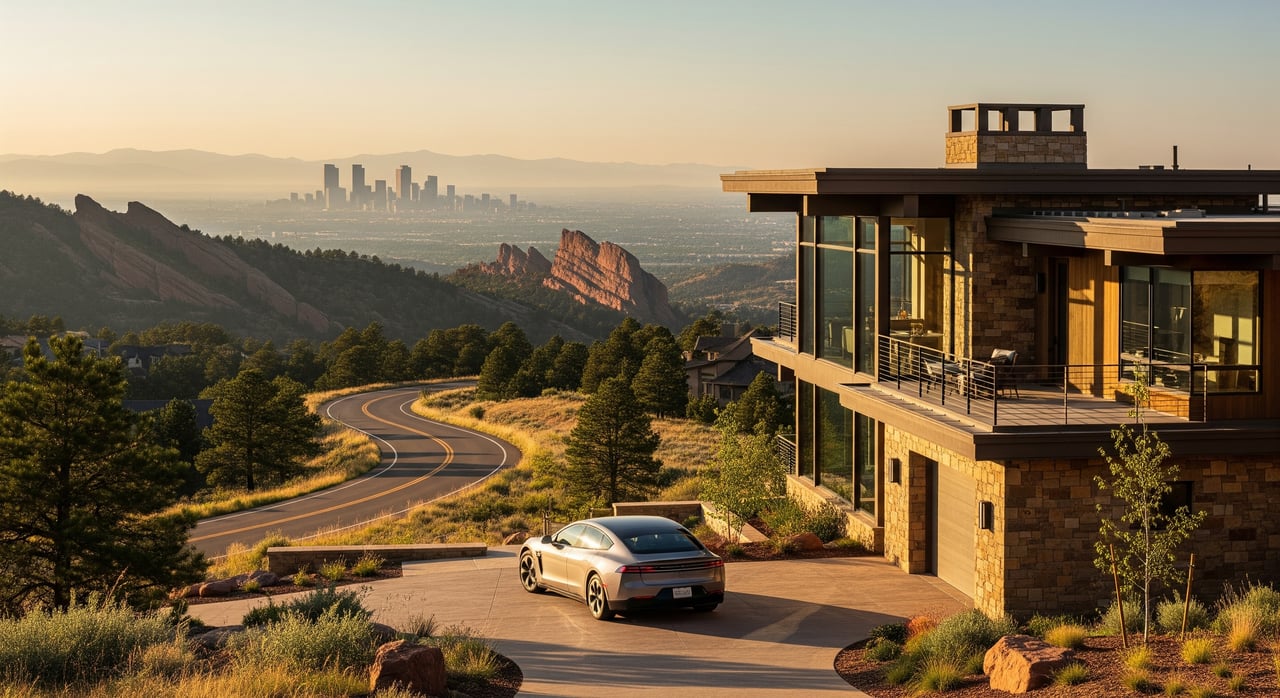
Thinking about a foothills home in Morrison but still need to be in Denver several days a week? You are not alone. Many buyers love Morrison’s open space and small‑town feel yet want a clear picture of the daily drive. In this guide, you will learn what the commute really looks like, how long it takes, how seasons and events affect traffic, and smart ways to plan your day. Let’s dive in.
Where Morrison fits in the metro
Morrison sits at the west edge of the Denver metro, tucked into the foothills near Red Rocks. Your trip into the city behaves more like a suburban‑to‑downtown commute than a long mountain drive. Distances are modest, but timing and conditions matter.
If you work in central Denver, you will likely head east toward the highways and arterial corridors that funnel into downtown. Your exact route depends on where you need to be and current traffic conditions.
Your main routes and options
Driving from Morrison to Denver
Most commuters drive. Off‑peak, the one‑way trip into central Denver often takes under 30 minutes. During peak hours, plan for an extra 15 to 40 minutes depending on congestion, incidents, and your destination. Typical west‑side routes into Denver do not require toll roads, so you can usually avoid extra fees.
Parking downtown varies by neighborhood and employer policy. If your workplace offers a subsidy or you can use a monthly permit, your net cost may be lower. If not, build parking into your monthly budget and compare it with transit alternatives.
Park‑n‑Ride and transit
Morrison has limited fixed‑rail access, but you can combine a short drive with regional bus or light‑rail from nearby Park‑n‑Ride lots and stations in Jefferson County and adjacent suburbs. Transit can be a viable choice if you value predictable arrival times or want to skip downtown parking. Keep in mind that some trips involve transfers and can take longer door‑to‑door than driving outside the peak.
For schedules and system updates, check the Regional Transportation District’s resources. You can review current options on the RTD website.
Carpool and vanpool
Carpooling can cut your per‑person costs and ease stress. Some employers also offer vanpools or shuttles. If your company supports flexible hours, pairing that with a carpool can help you avoid the highest‑congestion windows.
Micromobility and biking
Daily bike commutes from Morrison to Denver are uncommon due to elevation change, distance, and roadway conditions. That said, biking to a nearby transit hub on fair‑weather days can work. If you choose this hybrid approach, plan your first‑mile and last‑mile connections in advance.
How long the commute takes
Off‑peak and peak timing
On a normal day without delays, off‑peak travel into central Denver often stays under 30 minutes door‑to‑door by car. During peak morning and late‑day windows, expect another 15 to 40 minutes, especially when many shifts start around 8 to 9 a.m. and end between 4 and 6:30 p.m. These windows shift with school schedules and hybrid work trends.
What can change your day
Incidents and construction can create outsized delays because there are only so many high‑capacity corridors between the foothills and downtown. Even a single lane closure can ripple through the system. Before you leave, check live travel conditions and any active roadwork.
For current road conditions and closures, use the Colorado Department of Transportation resources. These tools help you spot incidents early and choose the best route.
Seasonal and event patterns
Red Rocks event nights
Concerts and festivals at Red Rocks draw thousands of visitors. On event days, especially evenings, expect slowdowns around Morrison and the approaching road network. If you plan to head home during show arrival or departure times, adjust your schedule or consider an alternate route.
You can track upcoming shows on the Red Rocks event calendar and plan ahead on those dates.
Winter weather in the foothills
Winter storms, icy mornings, and active snow clearing will lengthen your drive. Even light snow can slow highway speeds during peak hours. On significant storm days, be ready for multi‑hour delays and occasional short‑term closures, especially at higher elevations leading toward town.
Review forecasts from the National Weather Service and allow extra time on winter mornings. Winter tires, an emergency kit, and traction awareness go a long way toward a safer, smoother trip.
Summer weekends and holidays
During the warmer months, scenic foothill roads attract more tourists, cyclists, and day‑trippers. Weekend and holiday periods see heavier traffic, which can affect your Friday return or errands around town. Plan your errands with a buffer when the forecast looks perfect and the trails are calling everyone else too.
Costs and trade‑offs to weigh
Every commute blends time and money. Consider these factors as you evaluate Morrison’s fit for your lifestyle:
- Vehicle costs: Fuel, maintenance, and extra wear from stop‑and‑go traffic add up.
- Parking costs: Downtown parking can be a major line item. Employer subsidies, monthly permits, or hybrid schedules reduce the total.
- Time cost: Less predictable trips can eat into family and recreation time. If you can shift your schedule even slightly, you may gain back consistency.
- Employer flexibility: Telework days, compressed work weeks, and staggered hours change the equation for many households.
The upside is meaningful. You get foothills living, quick access to trails and open space, and a smaller‑town rhythm while still being part of the metro economy.
Smart planning strategies
A few smart moves can make this commute feel manageable and even routine:
- Check live conditions before you go. Use CDOT road updates and your preferred navigation app to compare routes in real time. Start with CDOT’s traffic and travel resources.
- Time your trip to miss the peak. Shifting your departure by 30 to 60 minutes often avoids the worst congestion and reduces variability.
- Use transit when it makes sense. Drive to a nearby Park‑n‑Ride or station, then ride into the city. Review options and schedules on RTD’s website.
- Plan for Red Rocks nights. Scan the Red Rocks calendar and adjust your route or departure window on show days.
- Prepare for winter. Keep a go‑bag, consider winter tires, and allow extra time when temperatures swing or a storm is on the way. Check the National Weather Service for forecasts.
- Sort your parking and last mile. Research your employer’s parking options ahead of time. If you take transit, confirm first‑mile and last‑mile connections so your transfer is smooth.
- Tune into local alerts. Town and county updates can flag nearby projects or closures. Save the Town of Morrison and Jefferson County pages for reference.
Is Morrison a fit if you work in Denver?
If you want a foothills lifestyle and a reasonable connection to the city, Morrison can be a smart choice. The commute is not as short as an inner‑suburb drive, but off‑peak times are often efficient and there are multiple ways to manage the peak. The key is matching your schedule and budget to the realities of traffic, parking, and seasonal patterns.
Buyers who thrive here tend to value outdoor access, views, and a smaller‑town pace. If your employer supports flexible hours or hybrid work, you can keep weekly drive time in check while enjoying the foothills at home.
Try‑before‑you‑buy: a commute test plan
Before you commit, test the commute you would actually drive:
- Pick two target days. Choose one fair‑weather weekday and one day with a known event or variable weather.
- Drive your intended route. Leave once at your planned start time and once 30 minutes earlier. Compare travel time and stress level.
- Try a Park‑n‑Ride day. Drive to a nearby lot or station, ride into the city, and track door‑to‑door time including transfers and walking.
- Price the week. Add estimated fuel, parking, or transit costs. If your employer offers a parking subsidy or transit benefit, include it.
- Note the return trip. Head home during your typical end‑of‑day window and watch for Red Rocks or weekend‑adjacent impacts.
These small tests will give you a realistic sense of how Morrison fits your routine.
Ready for a foothills move?
If Morrison feels like the right blend of access and lifestyle, I can help you weigh neighborhoods, test commute routes, and pinpoint properties that make daily travel easier. For tailored guidance on foothills living and Denver access, reach out to Yvette Putt.
FAQs
How long does the Morrison to Denver drive take on a typical day?
- Off‑peak drives are commonly under 30 minutes; peak hours often add 15 to 40 minutes depending on route, incidents, and exact destination.
Are toll roads required to commute from Morrison to central Denver?
- Typical west‑side routes to central Denver do not require toll roads, so most commuters avoid toll fees.
Is public transit a realistic daily option from Morrison?
- Yes, if you pair a short drive to a nearby Park‑n‑Ride or station with regional bus or rail; direct fixed‑rail from Morrison is limited, and some trips require transfers.
Do Red Rocks events affect evening commutes through Morrison?
- Concert nights bring heavy localized congestion before and after shows; check the venue calendar and adjust departure times or routes when events are scheduled.
How much do winter storms impact the commute?
- Winter weather can slow traffic, lengthen travel times, and occasionally cause short‑term closures; most days remain passable but require extra time and caution.
What planning tools should I use for day‑to‑day commuting?
- Use CDOT for road conditions, RTD for transit schedules, the Red Rocks calendar for event days, and the National Weather Service for forecasts.