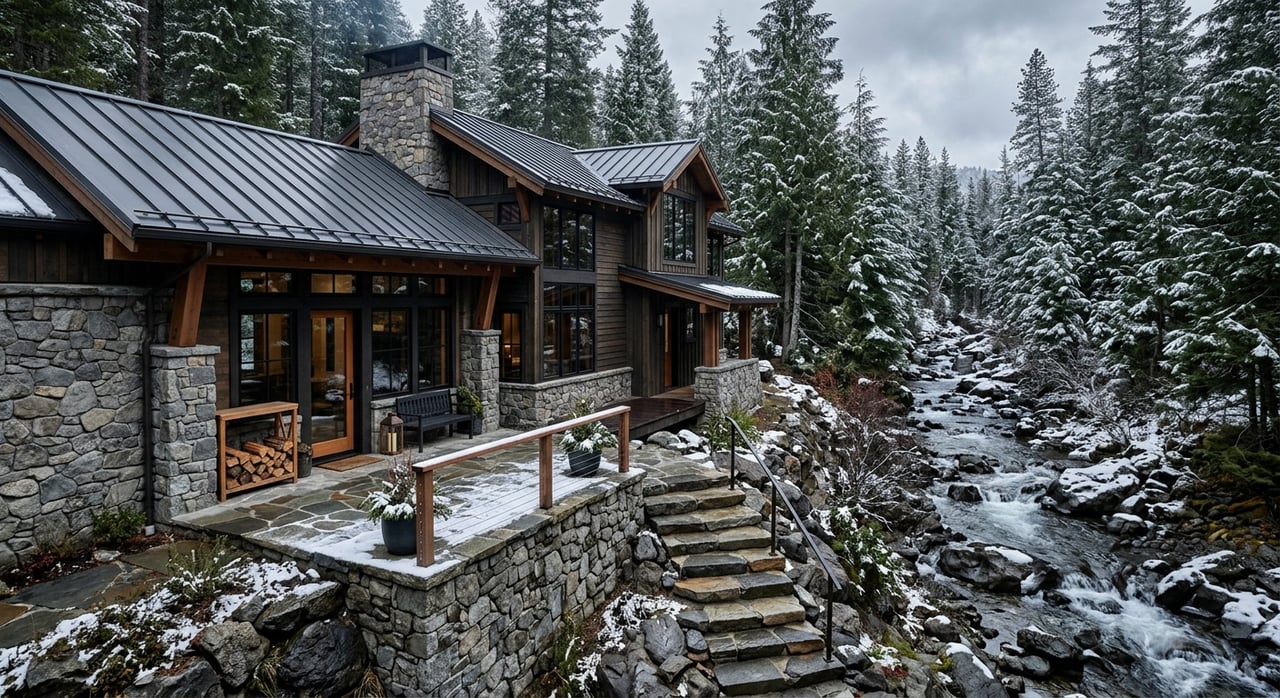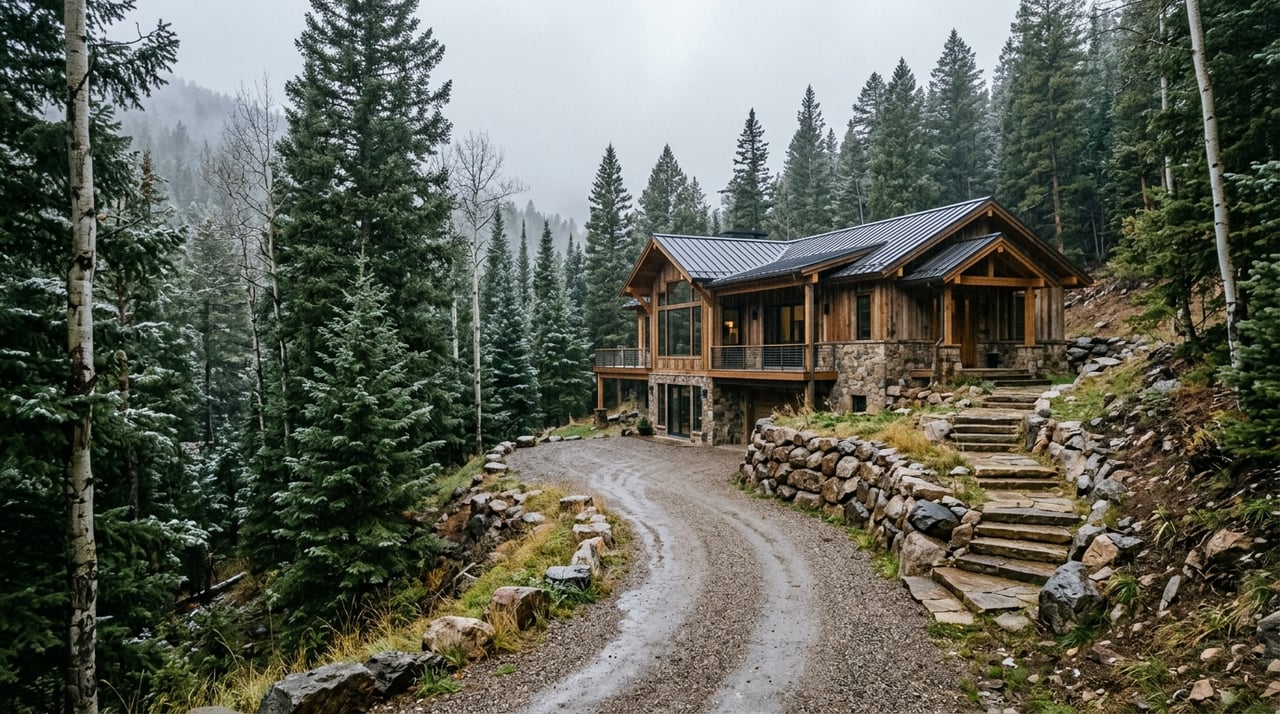
If you want a mountain home you can enjoy without feeling tied to it every week, Genesee probably has your attention. That makes sense because many buyers are looking for a foothills community that offers scenery and access without taking on every aspect of mountain-property upkeep alone. The good news is that Genesee offers several features that support a lock-and-leave lifestyle, but it also comes with rules, wildfire responsibilities, and winter access details you need to understand before you buy. Let’s dive in.
Genesee at a glance
Genesee is often appealing to buyers who want a foothills setting with easier access to both Denver and the mountains. According to the Genesee Foundation home page, the community sits along the I-70 corridor across from Lookout Mountain and offers convenient access to metro Denver and the Rocky Mountains.
That location is a big part of the draw. You get a mountain-living feel, but you are not as remote as some other foothill communities. For part-time owners or second-home buyers, that balance can matter just as much as the house itself.
Is Genesee good for lock-and-leave living?
The short answer is yes, for the right buyer. Genesee supports a lock-and-leave lifestyle better than many mountain communities because it offers meaningful operational support through the HOA structure and community services.
At the same time, it is not a fully hands-off resort-style setup. A more accurate way to think about Genesee is managed mountain living, not true no-maintenance ownership. That distinction matters because your day-to-day experience will depend on the property type, the road access, and the HOA layers tied to the home.
What makes Genesee lock-and-leave friendly
Vacation checks and patrols
One of Genesee’s strongest lock-and-leave features is the support for owners who are away. The Foundation says residents can request up to 52 vacation-check days per year, and those checks can include looking at doors and windows, picking up packages if requested, and watching for suspicious activity through home and property protection services.
The community also uses off-duty Jefferson County sheriff deputies for patrols. For buyers who travel often or own a second home, that extra layer of oversight can offer peace of mind.
Routine services that reduce effort
Genesee also includes practical services that make ownership easier. The Foundation notes weekly trash and recycling pickup, which removes one more item from your checklist when you are coming and going. It also provides snow plowing of private drives under its stated policy, which is a meaningful advantage in a foothills setting.
That said, snow service is not the same as unlimited winter maintenance. The Foundation says private drives are plowed when snow reaches 3 inches at Vista Clubhouse, and it also notes that it cannot salt or sand, according to its commonly asked questions page.
Amenities that support part-time use
Lock-and-leave appeal is not only about maintenance. It is also about whether the community is enjoyable and easy to use when you are there.
Genesee offers three clubhouses, pools, a fitness center, tennis and pickleball courts, a library, meeting spaces, open space, and about 12 miles of maintained trails. If you want a home that works for weekend visits, seasonal stays, or a flexible schedule, those amenities add real value.
Social options without full-time commitment
For some buyers, a second home can feel isolating if there is no community connection. The Foundation also describes social clubs and recurring events in its community overview, which may appeal if you want occasional involvement without the obligations of full-time residence.
That can be especially helpful if you are relocating gradually or splitting time between homes. You can plug into the community when you want to, without needing to build your own support system from scratch.
Why Genesee is not fully hands-off
HOA rules are part of ownership
Genesee is covenant-controlled, and exterior changes must go through ARC review. That is common in many planned mountain communities, but it is still important to understand if you value maximum flexibility.
If you are buying with plans to update siding, roofing, windows, decks, landscaping, or other visible exterior elements, you should review the approval process early. The Foundation’s about page makes clear that community standards are part of ownership there.
Wildfire mitigation is a real responsibility
This is one of the biggest issues to understand before calling Genesee an easy lock-and-leave community. The Foundation says the area is in the wildland-urban interface and a high fire danger area, and it notes that all of Genesee is in Wildfire Zone 1 under Jefferson County rules through its fire and safety guidance.
Genesee is also described as a nationally recognized Firewise community. That is a positive sign of active planning and education, but it does not remove the need for owner involvement. Homeowners are expected to maintain defensible space and consider home hardening, according to the Foundation’s Firewise community information.
Insurance and project costs can be affected
Wildfire readiness is not just a lifestyle issue. It can also affect what you spend and what improvements make sense.
The Foundation says defensible space can be required for insurance, and it notes that local fire mitigation and building-code requirements can affect new construction and some replacements on its wildfire resource page. For buyers comparing Genesee with more urban lock-and-leave options, this is one of the clearest tradeoffs.
Property type matters a lot
Not every home in Genesee will feel equally lock-and-leave. The research indicates there are mixed property types in the community, including single-family homes, condos, and townhomes, and the fit can vary by subcommunity and HOA structure.
In practical terms, a townhome or condo with added association support may suit a part-time owner better than a detached home on a more complex lot. A larger single-family property may still work well, but it usually requires more careful review of access, maintenance expectations, and wildfire mitigation needs.
Questions to ask before you buy in Genesee
If you are seriously considering Genesee for lock-and-leave living, these are the questions worth verifying before you write an offer:
- Is the home on a county-maintained road or a private drive?
- What is the exact snow-removal trigger and response standard for that property?
- Does the home have only the Foundation assessment, or does it also have a condo or townhome association?
- What services are included with the applicable dues?
- How do vacation checks work for extended absences?
- What exterior changes require ARC approval?
- What wildfire mitigation tasks are expected on the lot?
- Are there insurance implications tied to defensible space or home-hardening needs?
These questions are important because Genesee’s convenience comes from structure, not from zero responsibility. The more clearly you understand that structure, the better your ownership experience is likely to be.
A note on fees and dues
Fees deserve special attention in Genesee. The Foundation’s PUD and HOA information page lists quarterly assessments of $710 per lot and also says buyers should consult the Local Homes Corporation for Ridge Townhomes and the Preserve, while another official Foundation page still shows $652 per quarter.
That does not mean there is a problem, but it does mean you should verify the current amount and confirm whether any additional sub-association dues apply to the specific property you are considering. In a lock-and-leave decision, dues only make sense when you are clear on what they cover.
Who Genesee fits best
Genesee may be a strong fit if you want:
- A foothills setting with easier access to Denver and the I-70 corridor
- Community amenities you can use during part-time stays
- Support such as patrols, vacation checks, trash service, and snow plowing
- A neighborhood with established rules and shared standards
- A mountain home that feels managed, not isolated
It may be a less natural fit if you want:
- A completely hands-off property
- Minimal wildfire-related responsibilities
- Few architectural or exterior-use rules
- A community with no layered HOA considerations
The bottom line on Genesee
Genesee is a solid option if you want a lock-and-leave foothills home and you are comfortable with the realities of mountain ownership. Its services, patrols, vacation checks, amenities, and location all support a more convenient lifestyle than you will find in many mountain communities.
Still, convenience here does not mean zero involvement. You should expect to stay engaged with HOA requirements, winter access details, and wildfire preparedness. If you approach Genesee with that mindset, it can be an excellent match for buyers who want high-service mountain living without giving up the character of the foothills.
If you want help comparing Genesee with other Evergreen-area and foothills communities, Yvette Putt can help you evaluate road access, HOA structure, wildfire considerations, and overall fit so you can buy with clarity.
FAQs
Is Genesee in Colorado a true no-maintenance community?
- No. Genesee offers support services that make ownership easier, but it is better described as managed mountain living than a fully no-maintenance community.
What lock-and-leave services does Genesee offer homeowners?
- Genesee offers off-duty sheriff patrols, vacation checks, weekly trash and recycling pickup, snow plowing for private drives under its policy, and access to shared amenities.
What wildfire responsibilities do Genesee homeowners have?
- Homeowners should expect wildfire mitigation responsibilities such as maintaining defensible space and considering home-hardening measures, with possible insurance and code implications.
Do all Genesee homes have the same HOA structure?
- No. Buyers should confirm whether a property has only the Foundation assessment or also includes a condo or townhome sub-association with separate dues and services.
Is Genesee a good choice for second-home buyers?
- It can be. Genesee may work well for second-home buyers who want community support and amenities, as long as they are comfortable with HOA rules, winter conditions, and wildfire readiness.