If you love the idea of mountain living but still need a workable connection to Denver, Conifer often lands on your shortlist fast. You may be wondering whether it feels too remote, too rugged, or just right for your day-to-day life. The good news is that Conifer offers a very specific balance of foothills scenery, practical services, and commuter access along U.S. 285. If you want a clear picture of what living here really looks like, let’s dive in.
What Conifer feels like day to day
Conifer is an unincorporated foothills community in Jefferson County at about 8,277 feet, roughly 33 to 35 miles southwest of downtown Denver. Rather than having a traditional downtown core, daily life tends to center on the U.S. 285 corridor, Aspen Park, and nearby trailheads. That gives the area a more spread-out, mountain-community rhythm than a typical suburb.
In practical terms, your errands and activities often happen in clusters. The Aspen Park Community Center serves the corridor, and grocery runs usually revolve around options like Safeway on Main Street and King Soopers in Aspen Park. You get the basics close by, but the experience is less about walkable blocks and more about moving through the foothills by car.
Conifer is often described as a mountain destination with restaurants, festivals, and outdoor recreation. That shorthand fits because the lifestyle here tends to feel small-town and outdoors-first. If you are looking for an urban center with dense retail and constant activity, Conifer may feel quiet. If you want room to breathe and a strong sense of place, that quiet is often the point.
Outdoor access shapes the lifestyle
One of Conifer’s biggest draws is how naturally outdoor recreation becomes part of your routine. In this area, parks and public land are not just occasional weekend destinations. They help define what everyday life feels like.
Jeffco open space near Conifer
Jeffco Open Space parks give you several well-known options close to home. Beaver Ranch Park spans 450 acres and includes hiking, horseback riding, disc golf, a dog park, ziplines, picnic areas, and snowshoeing. That mix makes it useful in more than one season and for more than one type of household.
Flying J Ranch offers a three-mile loop through lodgepole pine, ponderosa pine, and Douglas fir. Meyer Ranch adds meadows, aspen groves, cross-country skiing, and sledding. Reynolds Park brings together hiking, equestrian trails, mountain biking, camping, and access toward the Colorado Trail by way of the North Fork Trail.
Weekend options beyond town
Staunton State Park is also close enough to feel like part of the local lifestyle. Colorado Parks and Wildlife notes that drivers can reach it by taking U.S. 285 south to Shaffers Crossing, about six miles west of Conifer. For many buyers, that kind of nearby access matters because it expands your regular recreation options without turning every outing into a major trip.
The reality of living in the foothills
Mountain living comes with responsibilities as well as beauty. In the Conifer area, forest-health work, seasonal management, and wildfire-risk reduction are normal parts of the landscape. Jeffco’s current work in the area includes trailhead improvements at Beaver Ranch and forest-health treatment at Meyer Ranch and Reynolds Park.
That does not mean something is wrong with the area. It means foothills living is active stewardship, not passive scenery. If you are considering a home here, it helps to understand that outdoor access and land management go hand in hand.
Housing patterns in Conifer
Conifer’s housing character is closely tied to the land itself. According to the Conifer/285 Corridor Area Plan, the community is intended to preserve its rural mountain character, with more intense mixed-use and multifamily development concentrated near U.S. 285 and Highway 73. Away from those nodes, single-family detached homes on larger one- to five-acre lots are considered more appropriate.
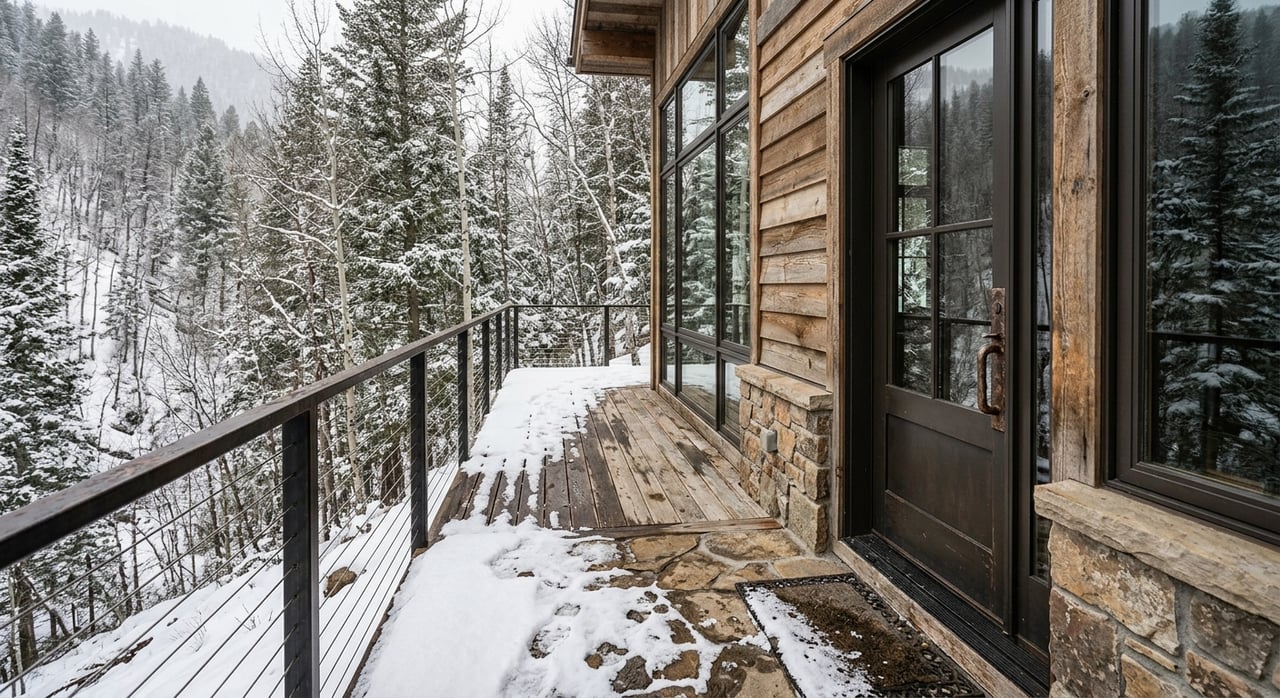
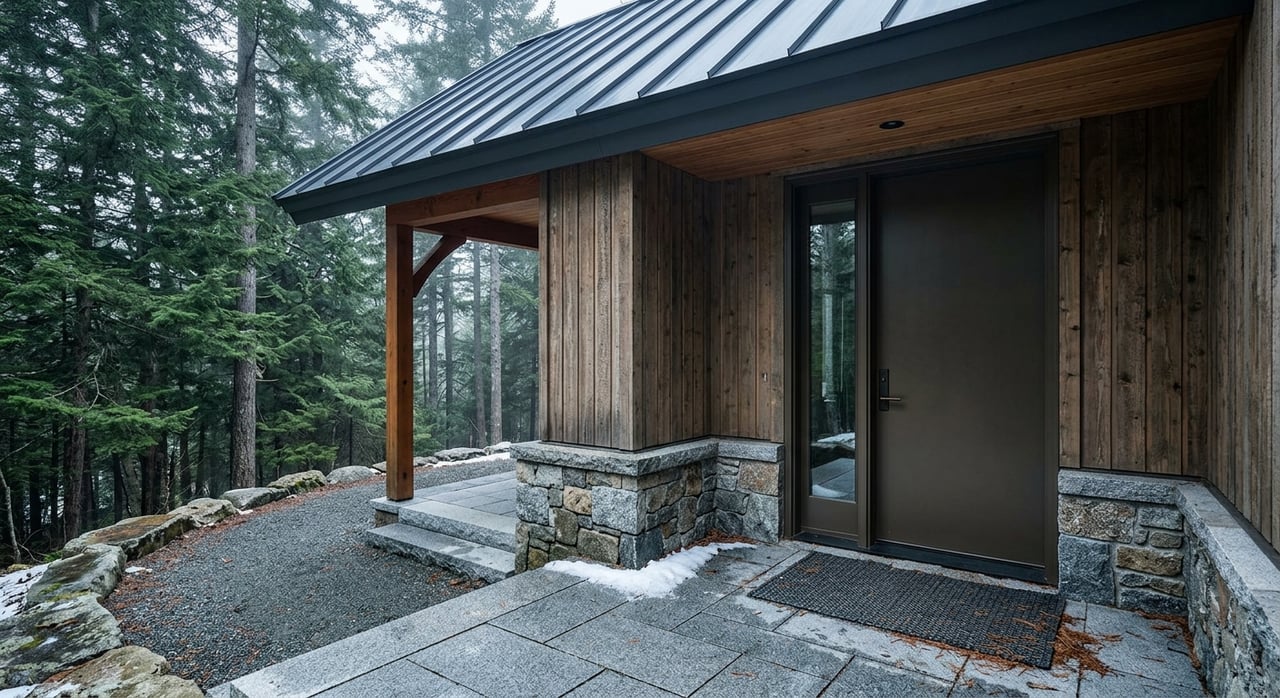
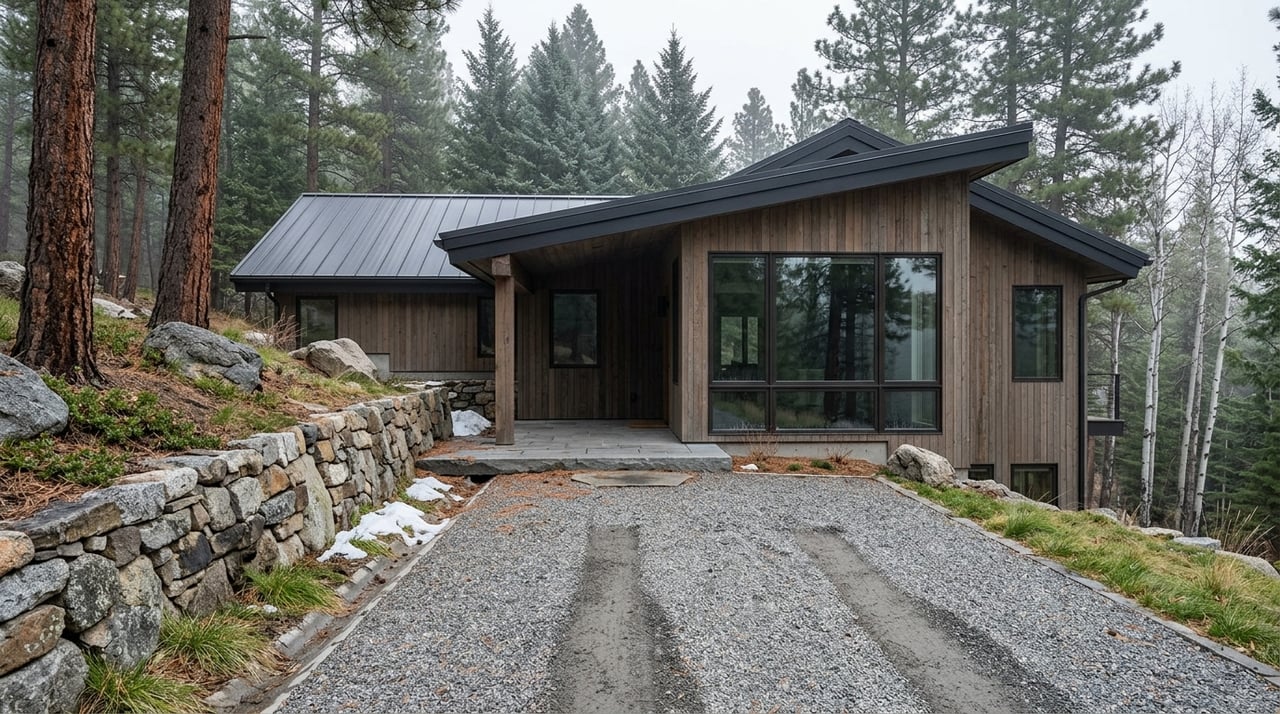
That planning framework explains why many homes in Conifer feel tucked into the landscape instead of arranged in a standard subdivision grid. Open-space buffers and stream corridors are part of the area’s physical character. As a buyer, you often notice that in the form of tree cover, spacing between homes, and a stronger connection to the surrounding terrain.
What buyers can expect
Conifer includes a mix of property types shaped by its history. The area evolved from homesteads and ranching, and over time some of those larger properties were subdivided into communities of single-family homes. At the same time, some parcels remain ranches or farms.
That means your options may range from established mountain homes and estate-style parcels to smaller homes clustered closer to the highway corridor. If you value privacy, usable land, and a sense of separation from neighbors, Conifer can be compelling. If you want a denser neighborhood layout with more uniform housing stock, you may need to focus on the corridor-adjacent areas.
Remote work and home-based flexibility
The area plan also allows a limited set of home occupations, including professional services, consulting, tutoring, craftwork, small repair services, and art studios. For some buyers, that creates useful flexibility. It supports the idea that Conifer can work well for people who want a residential mountain setting while maintaining low-impact work from home.
That said, internet access should never be assumed. Jefferson County states that broadband availability varies greatly by location, and wired service is still inconsistent in some areas. If remote work is important to you, verify internet service by exact address before you make a move.
Denver access from Conifer
For many buyers, the biggest question is simple: how hard is it to get to Denver? The answer is that Denver access is very possible, but it is not effortless. Conifer works best when you are comfortable trading some convenience for mountain setting, privacy, and outdoor access.
U.S. 285 is the main connection
U.S. 285 is the primary access road for Conifer and Aspen Park. It is the route most residents rely on for commuting, errands beyond town, and trips toward Denver. Because so much movement funnels through this corridor, traffic conditions have an outsized impact on daily life.
CDOT has identified ongoing congestion and crash concerns along the corridor and is advancing a grade-separated interchange project at Kings Valley Drive in Conifer to improve safety and operations. That matters because it confirms what many locals already know: access is workable, but it requires patience and awareness.
Transit exists, but it is commuter focused
RTD Route CV connects Pine Junction, Conifer, and Denver on weekdays. It serves park-and-ride stops at Aspen Park, Mountain View, Twin Forks, and Pine Junction. This gives commuters a transit option, but it is better understood as a targeted weekday service than an all-day urban network.
If you want regular transit flexibility for spontaneous trips throughout the day, Conifer may feel limited. If you simply want another commuting tool in addition to driving, the route can be useful. The right fit depends on how often and how rigidly you need to be in Denver.
Weather and incidents affect timing
A foothills commute is more sensitive to weather and road incidents than a standard suburban drive. RTD notes that extreme weather can cause route adjustments, and mountain corridor travel can change quickly depending on conditions. In other words, your drive time may be consistent some days and much less predictable on others.
This is an important mindset shift for relocators. If you choose Conifer, you are not just choosing a map distance from Denver. You are choosing a mountain-access lifestyle where weather, road work, and seasonal conditions matter more than they would in lower-elevation suburbs.
The biggest lifestyle trade-offs
Conifer tends to appeal most to buyers who want foothills living first and urban convenience second. Its strongest advantages are privacy, scenery, trail access, and a genuine mountain-community feel with enough nearby services to cover the basics. For the right buyer, that trade feels worthwhile every day.
The trade-offs are equally important to understand. You will generally have fewer big-box amenities nearby, longer drives for some services, and a more weather-sensitive routine. Ownership can also involve more awareness of wildfire mitigation, forest-health work, and infrastructure projects than you might expect in a more conventional suburban setting.
None of that is a drawback if it matches what you want. In fact, for many people, those realities are part of what makes Conifer feel authentic. The key is making sure your expectations line up with the lifestyle before you buy.
Who Conifer fits best
Conifer is often a strong fit if you want larger lots, regular access to public land, and a home environment that feels connected to the landscape. It can also make sense if your Denver commute is workable but not daily, or if you have flexibility through telecommuting. Buyers who prioritize quiet, privacy, and mountain character often see real value here.
It may be less ideal if you want dense amenities, short errand runs, or highly predictable commuting conditions. The area asks you to be comfortable with a corridor-based lifestyle and a little more self-management. In return, it offers a setting that feels distinctly Colorado and much less suburban than many alternatives closer to the city.
If you are weighing Conifer against Evergreen or other foothill communities, the real question is not just where you can buy a house. It is where your daily routine will feel most natural. A clear understanding of access, lot patterns, and mountain living realities can make that decision much easier.
If you want help comparing Conifer properties, evaluating acreage, or understanding how a specific location may affect your commute and lifestyle, Yvette Putt offers the kind of local, consultative guidance that can make a mountain move feel much more informed.
FAQs
What is daily life like in Conifer, Colorado?
- Daily life in Conifer is centered more on the U.S. 285 corridor, Aspen Park, local services, and nearby trailheads than on a traditional downtown, which creates a spread-out, mountain-community rhythm.
How far is Conifer from Denver, Colorado?
- Conifer is roughly 33 to 35 miles southwest of downtown Denver, with most access running along U.S. 285.
Is commuting from Conifer to Denver realistic?
- Commuting is realistic for many people, but it is more weather-sensitive and corridor-dependent than a typical suburban drive, so flexibility helps.
Are there public transit options from Conifer to Denver?
- Yes, RTD Route CV connects Pine Junction, Conifer, and Denver on weekdays, serving several park-and-ride stops, but it is commuter-oriented rather than a frequent all-day service.
What kinds of homes are common in Conifer, Colorado?
- Conifer includes a mix of established mountain homes, larger one- to five-acre properties, estate-style parcels, and some smaller homes closer to the highway corridor.
Is Conifer a good fit for remote workers?
- Conifer can be a good fit for remote workers, especially those who value space and a residential mountain setting, but internet availability should always be verified by exact address.
What are the main benefits of living in Conifer, Colorado?
- The main benefits are privacy, scenery, trail access, larger-lot housing patterns, and a genuine foothills lifestyle with basic services close by.
What are the trade-offs of living in Conifer, Colorado?
- The main trade-offs are fewer large retail amenities, longer drives for some needs, weather-sensitive travel, and the ongoing realities of wildfire mitigation and forest management.