Picture your morning ride starting right from your own property, with quiet trails, open views and room for your horses to roam. If that vision fits your lifestyle, Soda Creek in north Evergreen belongs on your short list. Buying acreage or an equestrian property here comes with a few mountain-specific steps, from zoning and animal counts to wells, septic and wildfire permits. This guide walks you through what to know, what to verify, and how to move with confidence. Let’s dive in.
Why Soda Creek stands out for horse owners
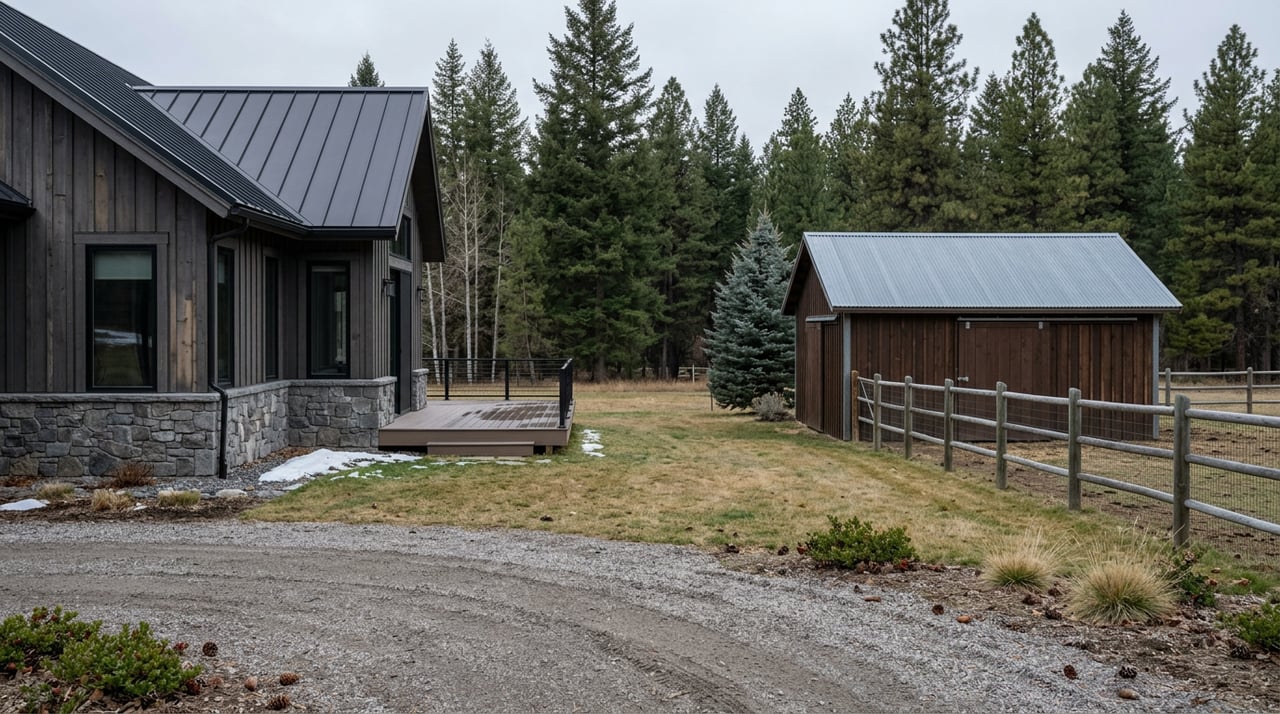
Soda Creek is a private, equestrian-oriented community known for multi-acre parcels and a quiet mountain setting. The neighborhood counts roughly 218 parcels, with many lots starting around 5 acres and some larger estates extending beyond that range. You will find a mix of older mountain homes and newer estates, often with barns, tack rooms and supporting outbuildings.
A signature benefit is the owner-only trail system. The community maintains 14 named trails for property owners and guests, and motorized vehicles are not allowed. Explore the network on the Soda Creek trail map.
On the market side, public neighborhood summaries show sales ranging from the low millions to multi-million-dollar estates, with median figures often in the upper single millions. For a current snapshot, review the Soda Creek page on Neighborhoods.com and pair it with real-time MLS data.
Zoning, animals and the rules that matter
Before you fall in love with a barn or meadow, confirm the parcel’s zoning and the rules that govern large animals. Jefferson County’s Large Animal Regulations outline which zone districts allow horses and other large animals, minimum open area per animal, and setbacks.
A few key concepts to keep in mind:
- Allowed animal counts vary by zone and lot size. The county sets minimum open area for the first animal and adds incremental area for each additional animal.
- Setbacks apply to manure storage and accessory buildings. Manure piles must meet front, side and rear setbacks, and barns or loafing sheds have setback and size rules based on your zone.
- Some properties sit in Planned Developments with custom standards. Always review the recorded plat and HOA covenants alongside county rules.
Use the county regulations and a parcel-specific zoning check to verify your exact allowances.
Water, wells and septic: what to verify
Many Soda Creek homes use private wells and septic systems. This is common for acreage in the Evergreen foothills and simply requires a practical due-diligence plan.
- Confirm the well permit’s allowed uses. If you plan to keep horses, make sure the permit authorizes watering of livestock. The county provides submittal and documentation guidance in its Applications, Forms & Guides.
- Test and document water quality and yield. Lenders and appraisers may require bacteriological and chemical tests, and sometimes a pump test for flow.
- Inspect the septic system and identify the reserve area. You want to know capacity, condition and where future repairs could occur.
If a property uses a shared well, confirm the recorded maintenance and access agreement and ensure the well’s capacity suits household and livestock needs.
Barns, arenas and permits
Thinking about building a new barn, adding stalls or grading for an arena? Jefferson County treats most equestrian structures as permitted improvements with specific rules. The county’s Outside the Home guidance covers permit triggers, accessory square-footage limits and submittal requirements.
- Barns usually require a Building Permit. Loafing sheds under certain size thresholds may be processed differently, while larger or enclosed structures need full plans.
- Grading and land disturbance rules apply to arenas. If a project disturbs significant acreage, you may need additional permits and engineering.
- Site planning matters. Setbacks, drainage and wildfire defensible space all influence where and how you can build.
Work with a local designer or engineer early if you plan substantial outbuildings or site work.
Wildfire and the WUI overlay
Much of Evergreen sits in the Wildland Urban Interface. In Jefferson County, properties above certain elevations require a Defensible Space Permit for new builds, replacements and many additions. Expect review, mitigation work and inspections as part of the process. Start with the county’s Other Permits (Defensible Space) page and factor both time and cost into your plan.
Riding access on property and nearby
Your private trail network in Soda Creek is a major advantage for daily riding without trailering. For longer adventures, nearby Jeffco Open Space parks provide horse-friendly routes and parking areas.
- Elk Meadow Park is a local favorite for multi-use trails and mountain scenery. Check current updates on the Elk Meadow Park page.
- Other close-by options include Alderfer/Three Sisters Park and additional Front Range open-space systems. Always confirm current trail conditions and any seasonal closures before you go.
Financing and appraisal for acreage and equestrian properties
Loan program details matter more when you have private well and septic, outbuildings and acreage. Two conversations to have up front:
- Lender guidelines and water/septic documentation. FHA and VA have explicit standards for private water systems and often require certified testing and proof of adequate flow. Review the HUD Single Family Handbook with your lender and secure a pre-approval from a team experienced with rural and equestrian properties.
- Appraisal experience with land and improvements. Acreage appraisals often separate house value from land value and can require specialized comps. Ask your lender to assign an appraiser with rural and equine property experience. For context, see the Appraisal Institute’s land valuation resource on adjustment procedures and assignments.
If you plan to build a barn or arena soon after closing, discuss permit timelines and projected costs with your lender and a local contractor during underwriting.
Buyer checklist for Soda Creek
Use this quick list to keep your process smooth and on track:
- Verify parcel zoning, the recorded plat and HOA covenants. The community home page is a good starting point and the listing packet should include governing documents.
- Order a survey to confirm lot corners, well and septic locations, and recorded easements.
- Commission a well pump test and state-certified water analysis. Confirm the well permit includes livestock watering if you intend to keep horses.
- Schedule a septic inspection and confirm the reserve area. Make sure capacity aligns with your household and guest plans.
- Pull a site plan and past permits from county records. Note building envelopes, setbacks, drainage and any constraints.
- Confirm who maintains the road and snow removal. If private, look for a recorded maintenance agreement.
- Check wildfire and defensible-space requirements if you plan to build or remodel. This can affect timeline and budget.
- Ask your lender about required water/septic tests and appraisal qualifications. Get written pre-approval tailored to acreage and equestrian properties.
- Verify internet and cellular options that fit your work or monitoring needs.
How Soda Creek compares to other Evergreen luxury areas
Soda Creek emphasizes privacy, acreage and on-property recreation. You get larger lots, owner-only trails and many homes with well and septic. In nearby north Evergreen neighborhoods like Hiwan, Promontory or The Ridge at Hiwan, you often see smaller lots and more homes on public utilities, which can mean simpler connections and a different day-to-day maintenance profile. The right fit comes down to how you balance acreage, privacy and on-site horse amenities with convenience and utility preferences.
Your next step
Buying acreage in Soda Creek is as much about planning as it is about place. With the right guidance, you can secure a property that supports your horses, your home and your long-term goals.
If you want a local, consultative partner who understands wells, septic, zoning and the nuances of equestrian estates, let’s talk. Reach out to Yvette Putt to explore on-market and private opportunities, discuss strategy and tour Soda Creek properties that match your vision.
FAQs
Is Soda Creek horse friendly and what makes it unique?
- Yes. It is an equestrian-oriented community with multi-acre lots and an owner-only network of 14 neighborhood trails for property owners and guests.
Which rules govern how many horses I can keep in Soda Creek?
- Jefferson County’s Large Animal Regulations set animal counts, required open area and setbacks. Always confirm your parcel’s zoning and any HOA covenants.
Do I need special permits to build a barn or arena?
- Most barns require a Building Permit, and arena grading can trigger additional permits. Start with the county’s Outside the Home guidance to understand size limits, setbacks and submittals.
What should I check about the well if I plan to keep horses?
- Confirm the well permit allows watering of livestock, then complete water quality testing and a pump yield test as requested by your lender or inspector.
How does wildfire regulation affect remodeling or new construction?
- Properties in the WUI often need a Defensible Space Permit for new construction and many additions. Review Other Permits and budget time and costs for mitigation and inspection.
What are typical home prices in Soda Creek?
- Public summaries show a wide range from the low millions to multi-million estates, with medians often in the upper single millions. For a current view, check Neighborhoods.com’s Soda Creek page and your agent’s MLS data.